Q1 is where fintech plans stop being theoretical. Roadmaps move from slides into sprint boards. Delivery dates turn from “targets” into commitments. For leadership teams, this is also when hiring pressure spikes.
New funding, expanding client demand, or regulatory deadlines often collide in the first quarter. Headcount approvals arrive with urgency attached. Teams are expected to scale fast and keep platforms stable at the same time.
This is where Q1 fintech hiring pressure becomes dangerous. Scaling too slowly stalls delivery. Scaling too quickly breaks it. The challenge is not hiring more people, but hiring in a way that protects execution.
Why Q1 Creates Unique Hiring Strain in Fintech
Q1 hiring pressure is not just about volume. It is about timing and dependency.
Many fintech teams enter January already stretched. Year-end freezes delay hiring, but delivery expectations remain. When approvals finally land, the backlog is full and tolerance for disruption is low.
Unlike later quarters, Q1 leaves little room for onboarding drag. New hires are expected to contribute quickly, often while systems, processes, and teams are still stabilising after year-end change.
In regulated environments, the margin for error is even thinner. Adding capacity cannot come at the expense of compliance or platform reliability. Every hire must reduce risk, not add to it.
The False Choice Between Speed and Stability
Under pressure, fintech leaders often believe they must choose between speed and stability. Either hire quickly and accept some disruption, or slow hiring to protect delivery.
This is a false choice.
The real issue is not speed, but clarity. Teams rush when roles are vague, interview criteria are inconsistent, and ownership boundaries are unclear. These conditions create friction regardless of how fast hiring happens.
Well-defined roles with clear success outcomes allow teams to move quickly without destabilising delivery. Poorly defined roles break teams even when filled slowly.
Q1 exposes these weaknesses because everything is happening at once.
How Q1 Hiring Pressure Shows Up Inside Teams
The impact of Q1 hiring pressure is often visible before leaders name it.
Managers spend more time firefighting than planning. Senior engineers carry delivery while also onboarding new starters. Meetings increase, but decisions slow.
Burnout risk rises quietly. High performers absorb gaps while waiting for new hires to ramp. When that ramp takes longer than expected, frustration builds.
This is when delivery quality slips. Bugs increase. Release confidence drops. Teams become cautious, which slows progress further.
By the time leadership reacts, momentum is already damaged.
The Cost of Scaling Headcount Without Scaling Structure
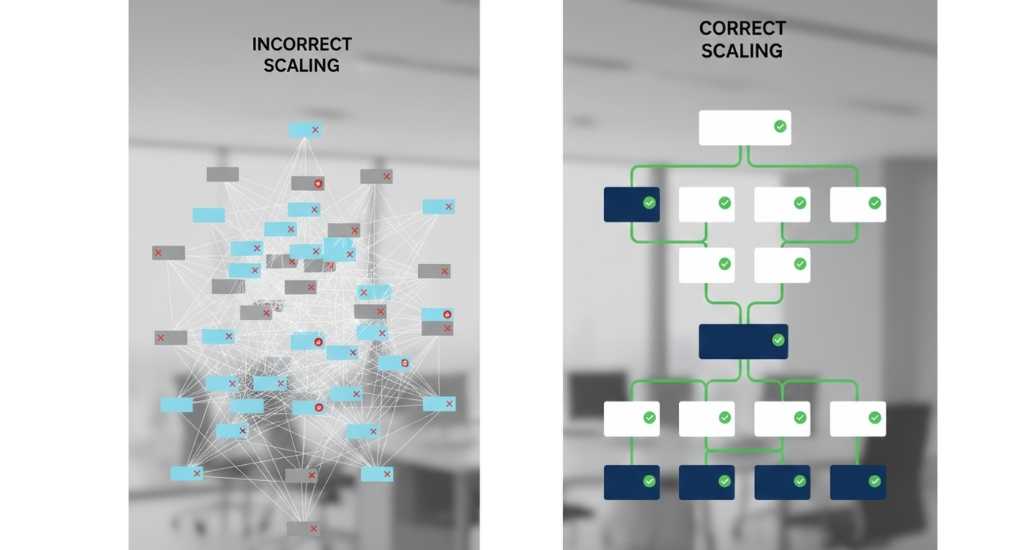
One of the most common Q1 mistakes is adding people without adjusting structure.
Teams grow, but reporting lines stay unclear. Decision rights remain centralised. Senior engineers become bottlenecks instead of force multipliers.
Hiring without revisiting team design creates hidden inefficiencies. New engineers wait for approvals. Ownership overlaps. Accountability blurs.
In fintech, where systems are interconnected, this quickly affects delivery timelines. Scaling capacity without scaling clarity is like widening a road but leaving traffic lights unchanged.
This is why Q1 hiring pressure often feels heavier after new hires join, not lighter.
Why CV-Led Hiring Fails Under Q1 Pressure
Under time pressure, many teams lean harder on CVs. Familiar company names feel reassuring. Long tenure suggests stability. Broad tech stacks look versatile.
The problem is that CVs do not predict how someone operates under acceleration.
Q1 demands engineers who can prioritise under pressure, communicate risk clearly, and make trade-offs without constant direction. These traits rarely show up on paper.
Interview processes that focus on technical recall or past projects miss this entirely. The result is a hire who looks strong but struggles when delivery intensity increases.
This is often the point where fintech leaders bring in specialist partners like Rec2Tech to reassess role requirements and introduce more predictive assessment, especially when early Q1 hires are not landing as expected.
Smarter Ways to Scale Without Breaking Delivery
Scaling safely in Q1 starts with sequencing, not volume.
Instead of hiring across multiple roles at once, prioritise positions that unblock others. A strong senior engineer or delivery-focused tech lead can stabilise teams faster than multiple mid-level hires.
Next, define contribution timelines clearly. What must this hire deliver in 30, 60, and 90 days? What decisions will they own? What support will they need, and from whom?
When expectations are explicit, onboarding accelerates and friction drops.
It also helps to pressure-test how candidates respond to ambiguity. Q1 is rarely neat. Strong hires adapt, communicate early, and take ownership rather than waiting for instruction.
Why Behavioural Fit Protects Delivery Under Pressure
Behavioural fit is often misunderstood as culture or personality. In fintech hiring, it is about operating style.
How does this person react when priorities shift mid-sprint? How do they handle regulatory constraints conflicting with product speed? Do they escalate risk early or attempt to fix everything quietly?
Under Q1 pressure, these behaviours matter more than niche technical skills. A technically excellent hire who avoids difficult conversations can destabilise delivery faster than a slightly less experienced engineer who communicates clearly.
Assessing these traits requires structured interviews and benchmarking, not informal chats. When teams rely on intuition alone, pressure magnifies bias and inconsistency.
Scaling Teams While Preserving Morale
Delivery is not just output. It is sustained performance.
Q1 hiring pressure often leads teams to overextend their strongest contributors. They deliver, mentor, review code, and onboard new hires simultaneously. This is manageable for a few weeks, not for a quarter.
Leaders should plan capacity with recovery in mind. Protect senior engineers’ focus. Allocate onboarding responsibility deliberately rather than spreading it thin.
Clear communication helps too. When teams understand why certain roles are prioritised and how new hires will reduce load, trust increases.
Morale drops when hiring feels reactive. It stabilises when hiring feels intentional.
What Strong Q1 Scaling Looks Like
Strong Q1 scaling feels controlled, even when growth is aggressive.
Hiring plans are tied to delivery outcomes, not headcount targets. Interview processes are consistent. New hires know exactly why they were brought in and what success looks like.
Teams feel supported rather than stretched. Delivery confidence improves as capacity grows.
Most importantly, leadership spends less time managing risk and more time steering growth.
What to Do Next
Q1 fintech hiring pressure is unavoidable. Breaking delivery is not.
If your team is scaling this quarter, now is the moment to review how roles are defined, assessed, and onboarded. Small adjustments in January and February prevent major recovery work later in the year.
If you want to scale engineering capacity without sacrificing delivery or burning out your team, book a call with Rec2Tech to talk about a hiring approach built for fintech teams under real Q1 pressure.